
OUR
RESEARCH
RESEARCH
THEMES
Based in Fort Lauderdale, Florida, the Reef Ecology, Ecosystems, Fishes & Solutions (REEFS) Research Group at Nova Southeastern University is led by Drs. Andrew Bauman and Fraser Januchowski-Hartley. Our research examines the structure and function of coral reef ecosystems, with a particular focus on how climate change, human disturbance, and ecological resilience shape reefs and the coastal communities connected to them.
Our work spans ecological processes, population dynamics, behavioral ecology, and ecosystem function, integrating multiple approaches to understand how coral reefs operate and respond to change. Across these themes, we are united by a common goal: to understand the changing roles of corals, reef fishes, algae, and people in shaping reef ecosystems, and to develop innovative approaches to conservation and management that recognize people as an integral part of the solution. Ultimately, we aim to generate the ecological understanding needed to support the persistence, recovery, and sustainable management of coral reefs for future generations.
J U M P T O :
Ecology of
Reconfigured
Reefs
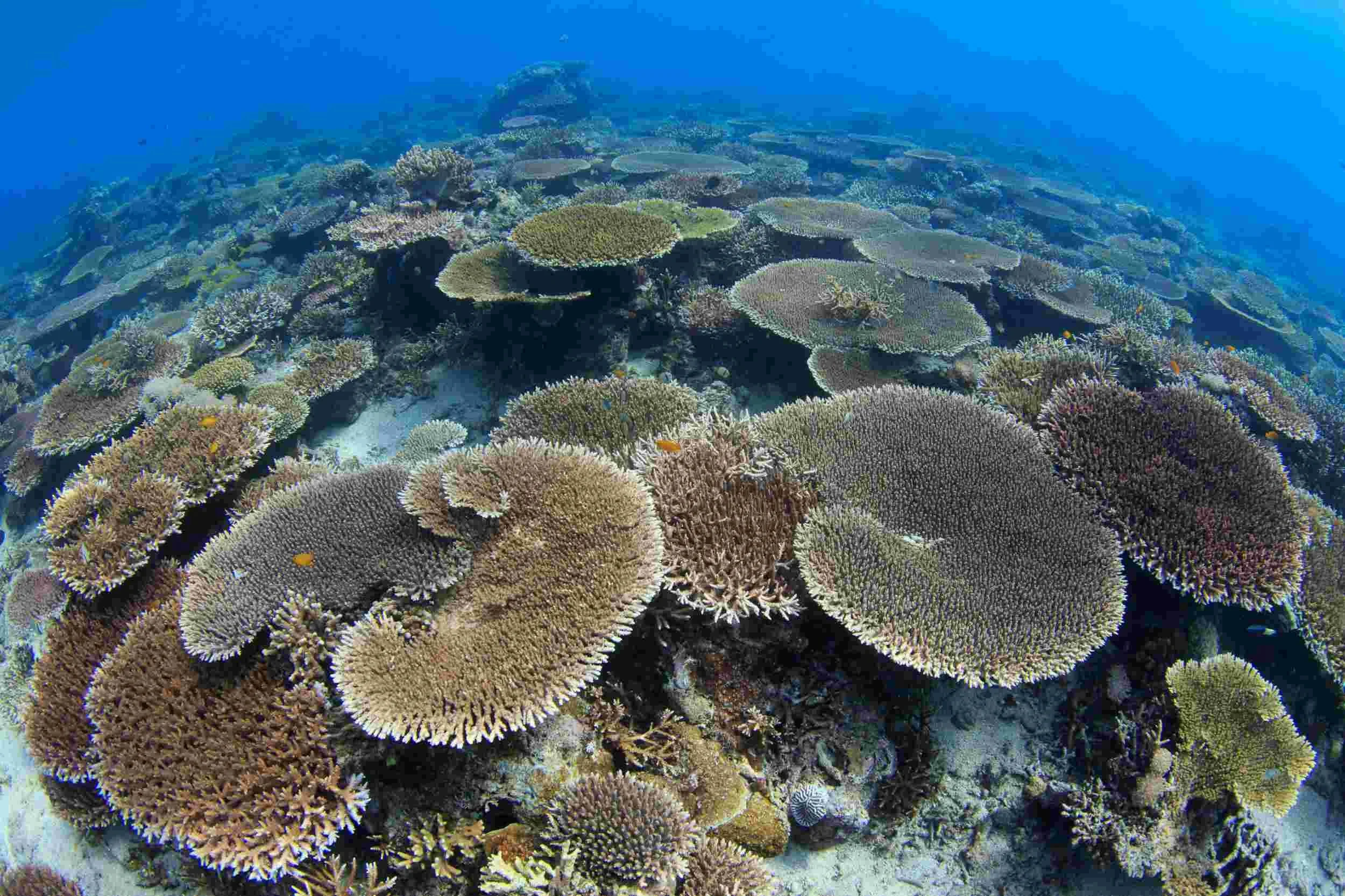
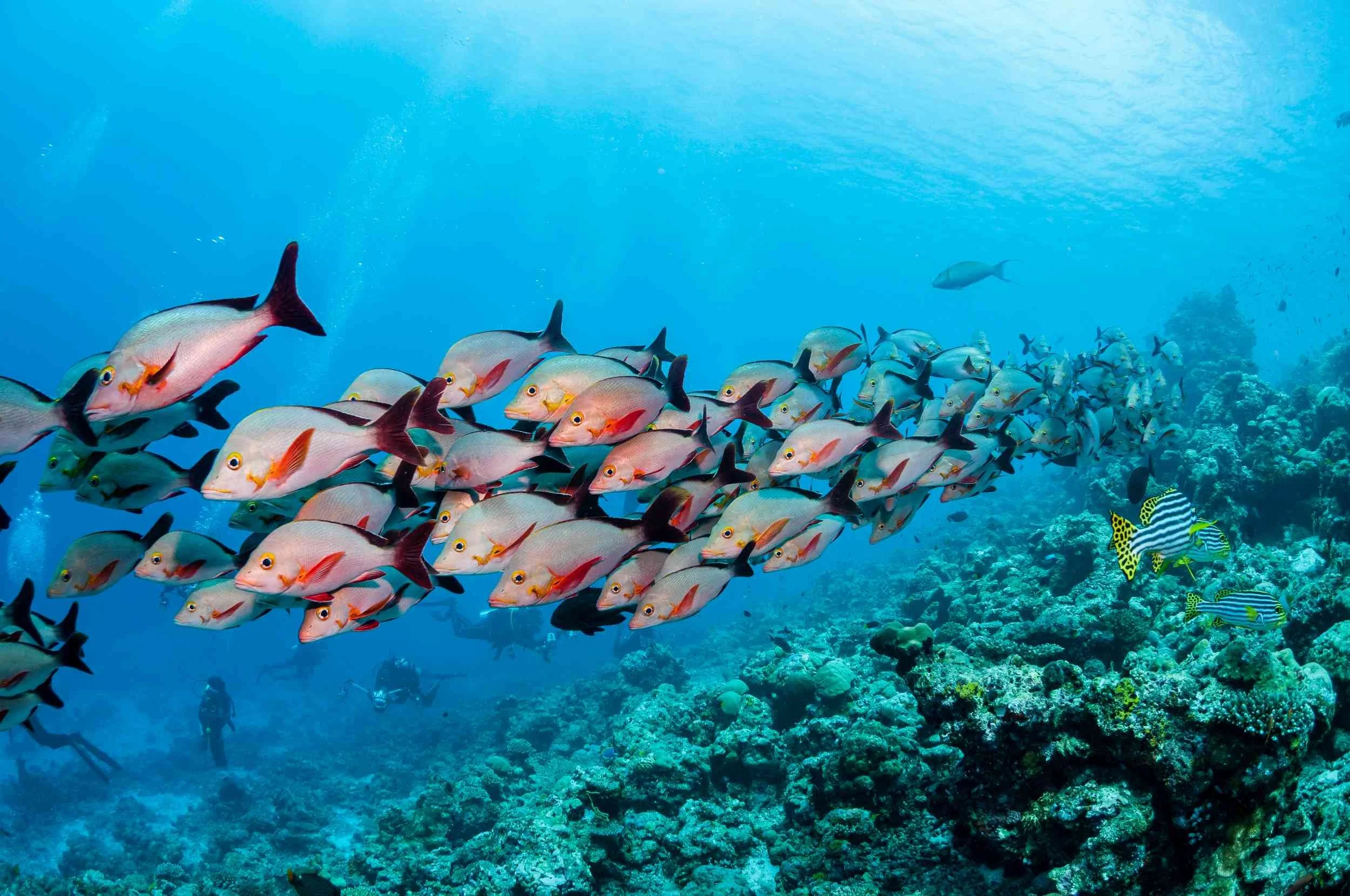
Coral reefs are undergoing rapid and profound ecological change, reshaping the communities, processes, and functions that sustain these ecosystems. Our research seeks to understand the ecological processes that determine how reef ecosystems respond, reorganize, and recover in the face of disturbance and environmental stress. We investigate coral reef community structure, species interactions, population and size structure, habitat complexity, and ecosystem functioning across multiple spatial and temporal scales, with a strong focus on Indo-Pacific reef systems.
A central goal is to understand how coral loss and changing environmental conditions reshape reef communities, particularly fishes and other key functional groups. By identifying the processes that promote resilience, constrain recovery, and drive ecosystem change, our work provides the ecological foundation needed to better predict reef futures and inform conservation and management in a rapidly changing ocean.

EcoSYSTEM FUNCTION
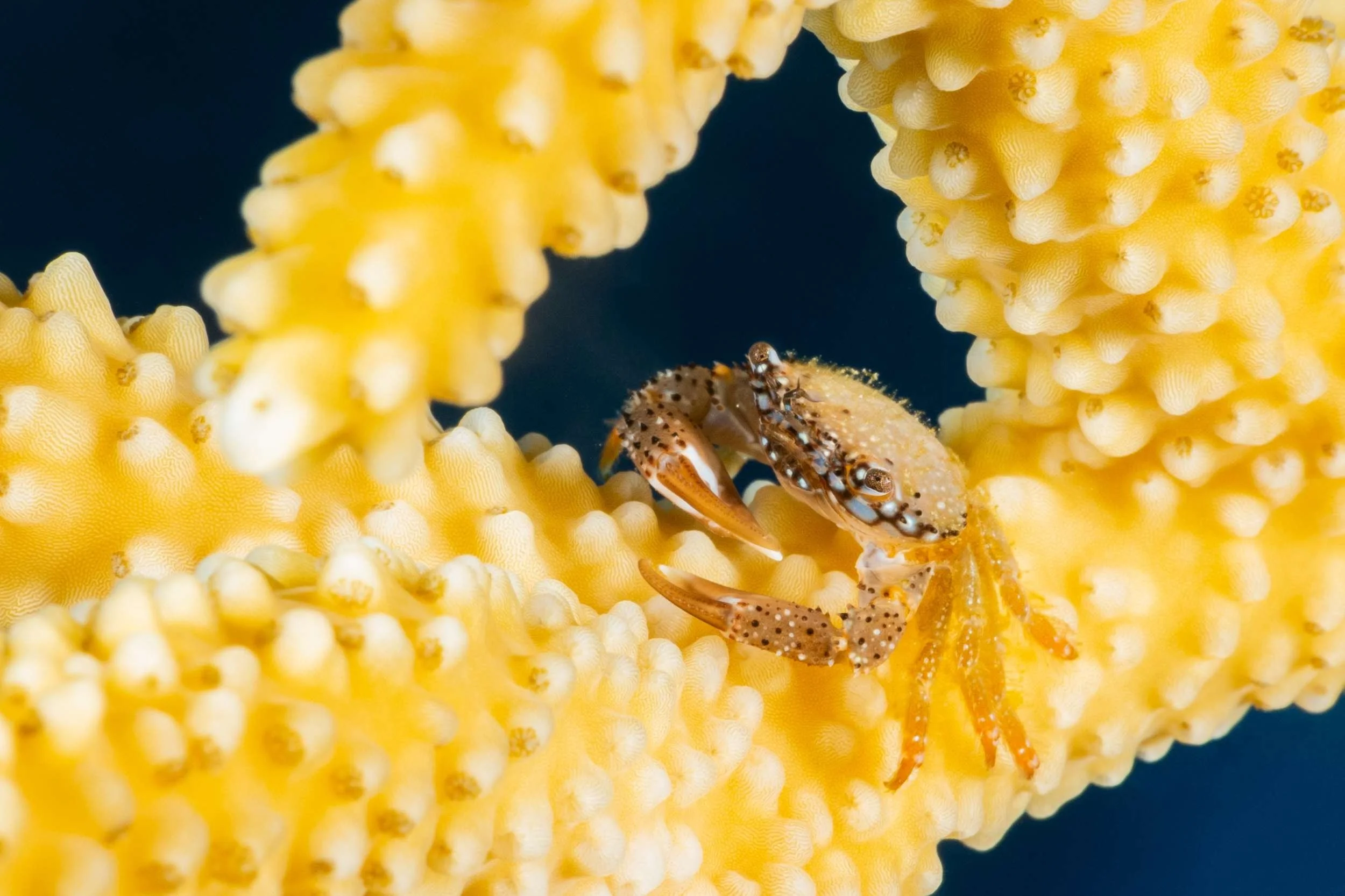
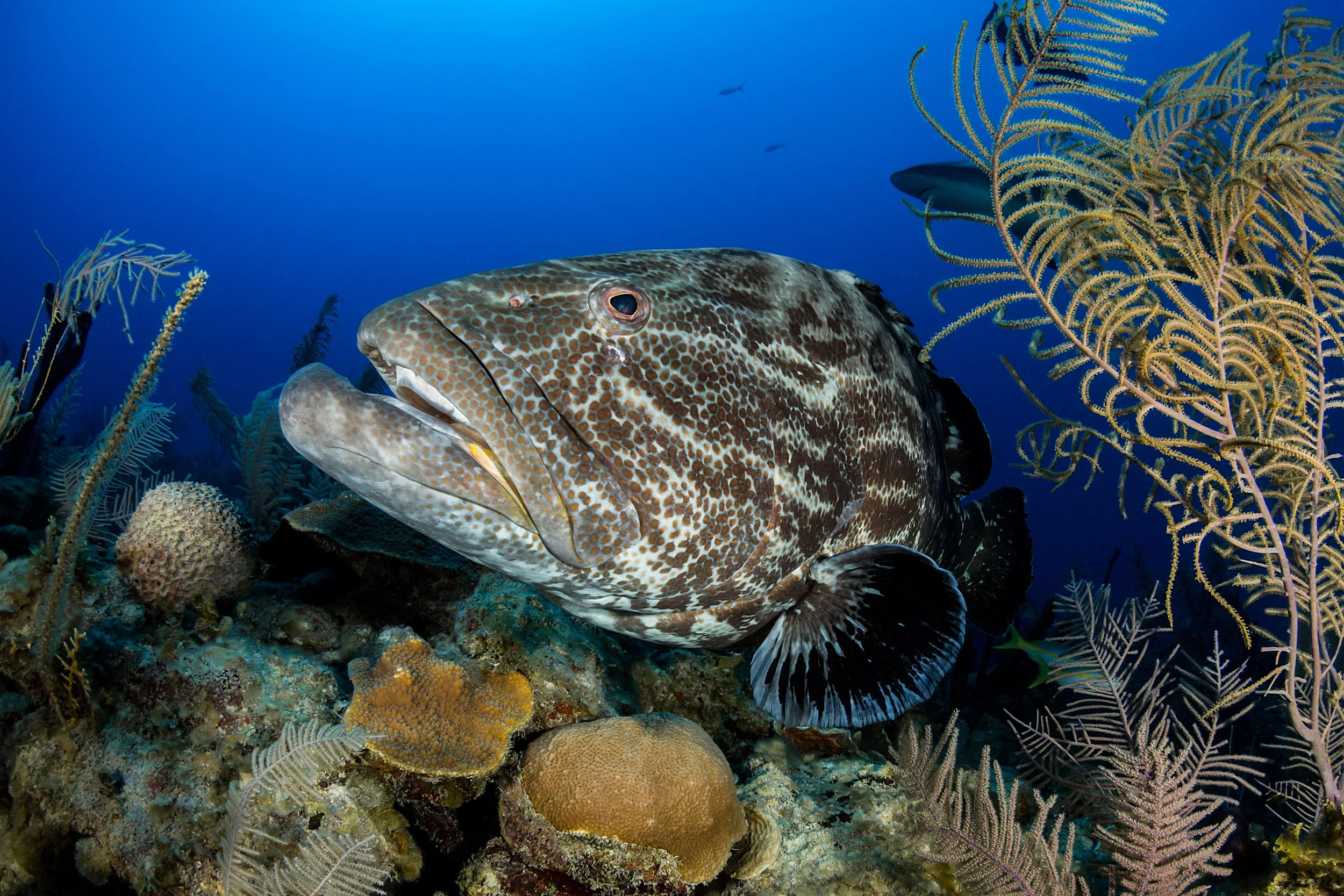
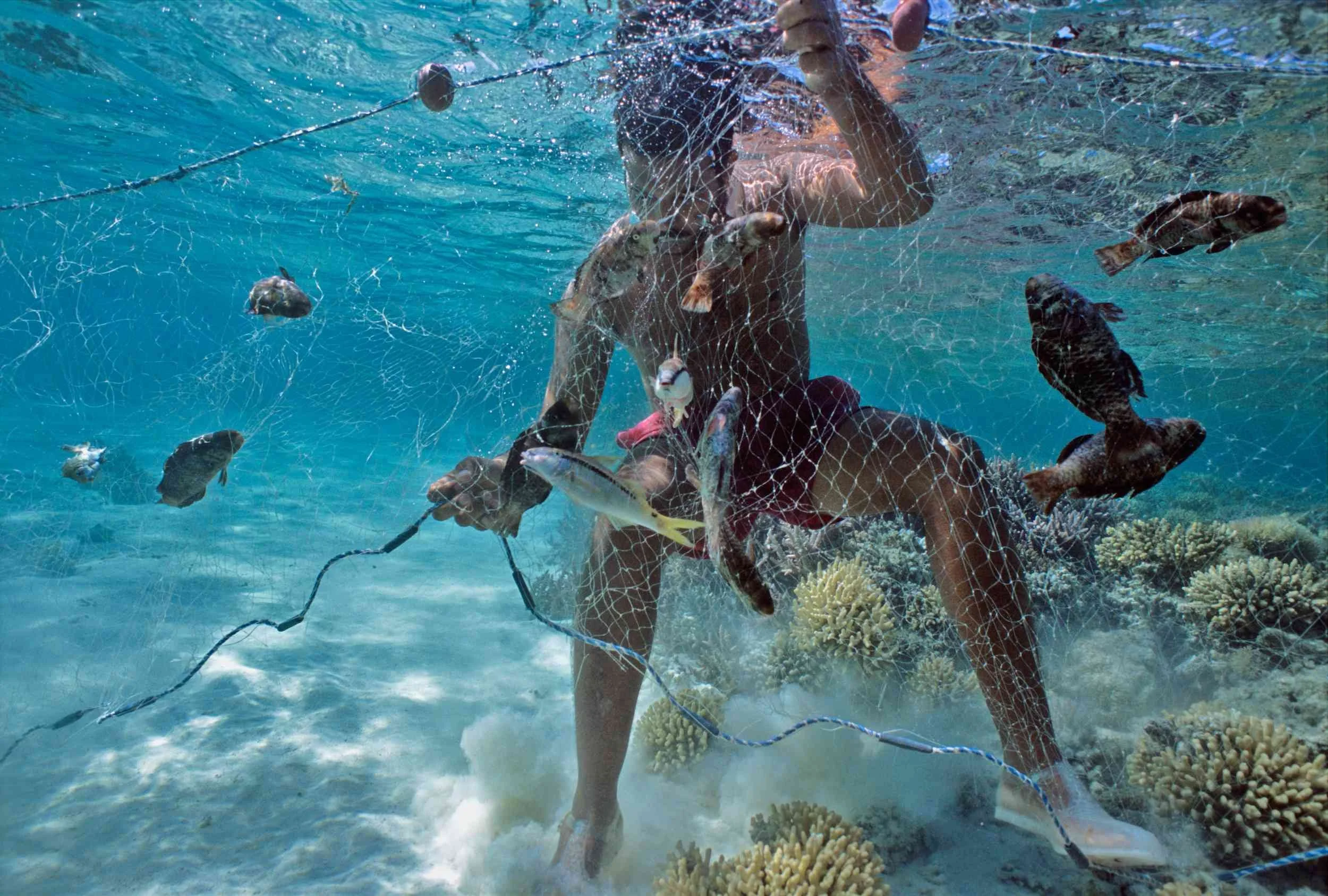
Coral reef ecosystems are sustained by a network of interconnected ecological processes that regulate productivity, nutrient cycling, habitat condition, and community structure. Our research seeks to understand these core functional processes that maintain reef ecosystems and how the magnitude and mechanisms within these functional processes change as reefs reorganize under environmental change. We focus particularly on the roles of coral reef fishes and other key organisms in processes such as herbivory, predation, nutrient transfer, and secondary productivity. By examining when, where, and how organisms perform these functions, we aim to understand how behavior, species interactions, and environmental context influence the delivery of critical ecosystem processes.
A major emphasis of our work is understanding how fishing and other human pressures modify animal behavior and, in turn, alter ecosystem functioning. By linking individual behavior to ecological processes at larger scales, we seek to identify when functional change may undermine reef resilience, constrain recovery, or fundamentally reshape how coral reef ecosystems operate.
GLOBAL CHANGE
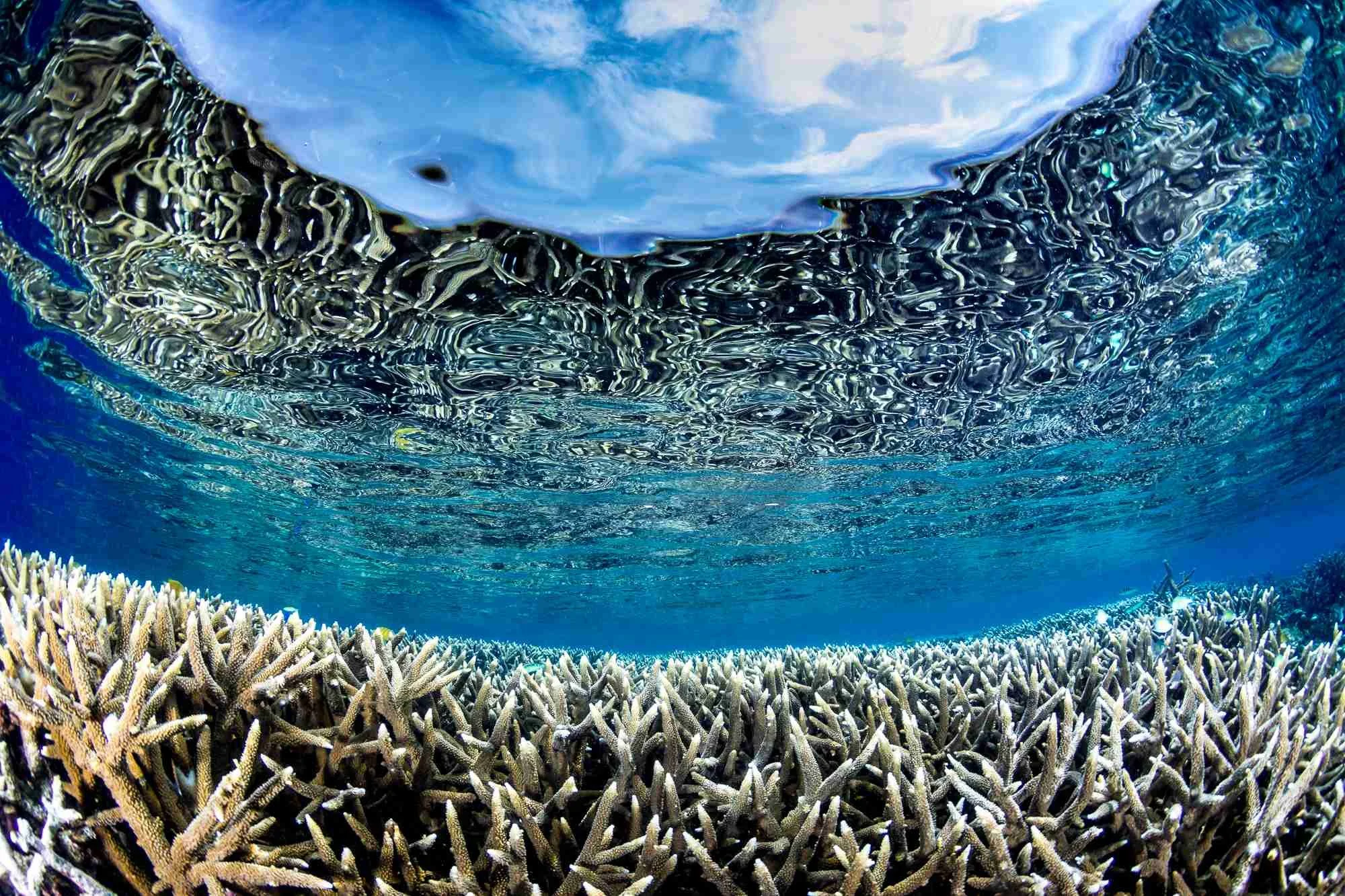
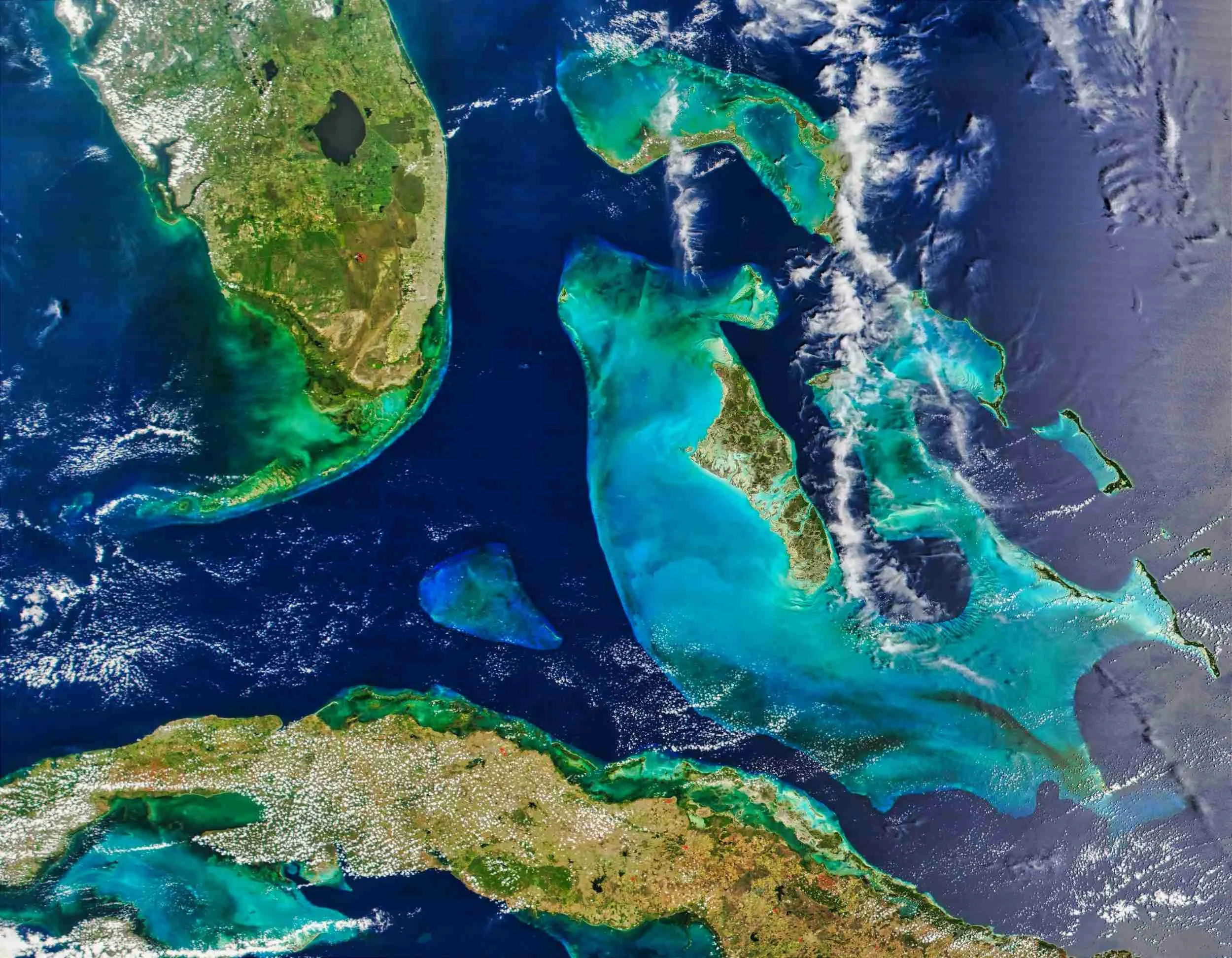
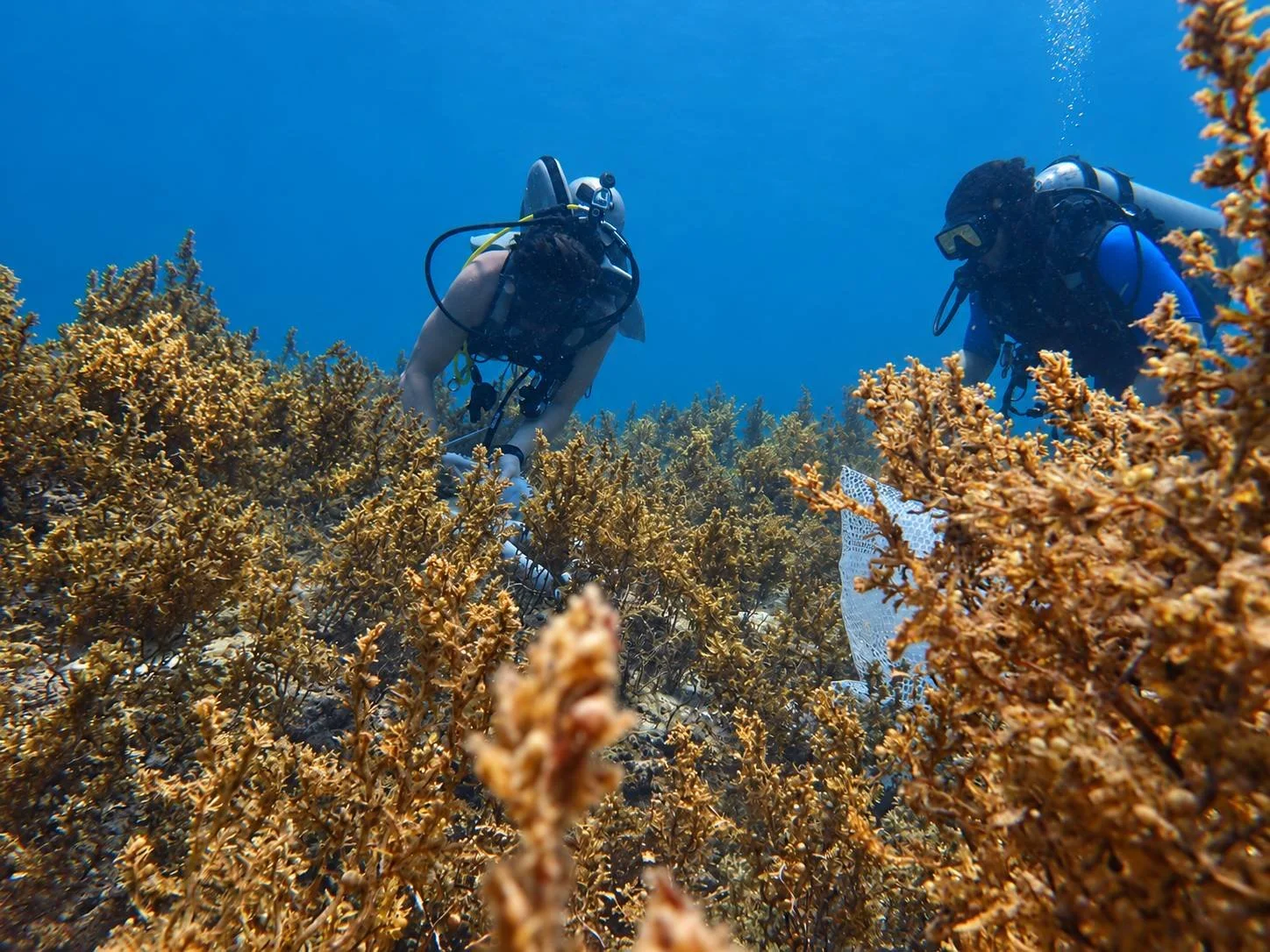
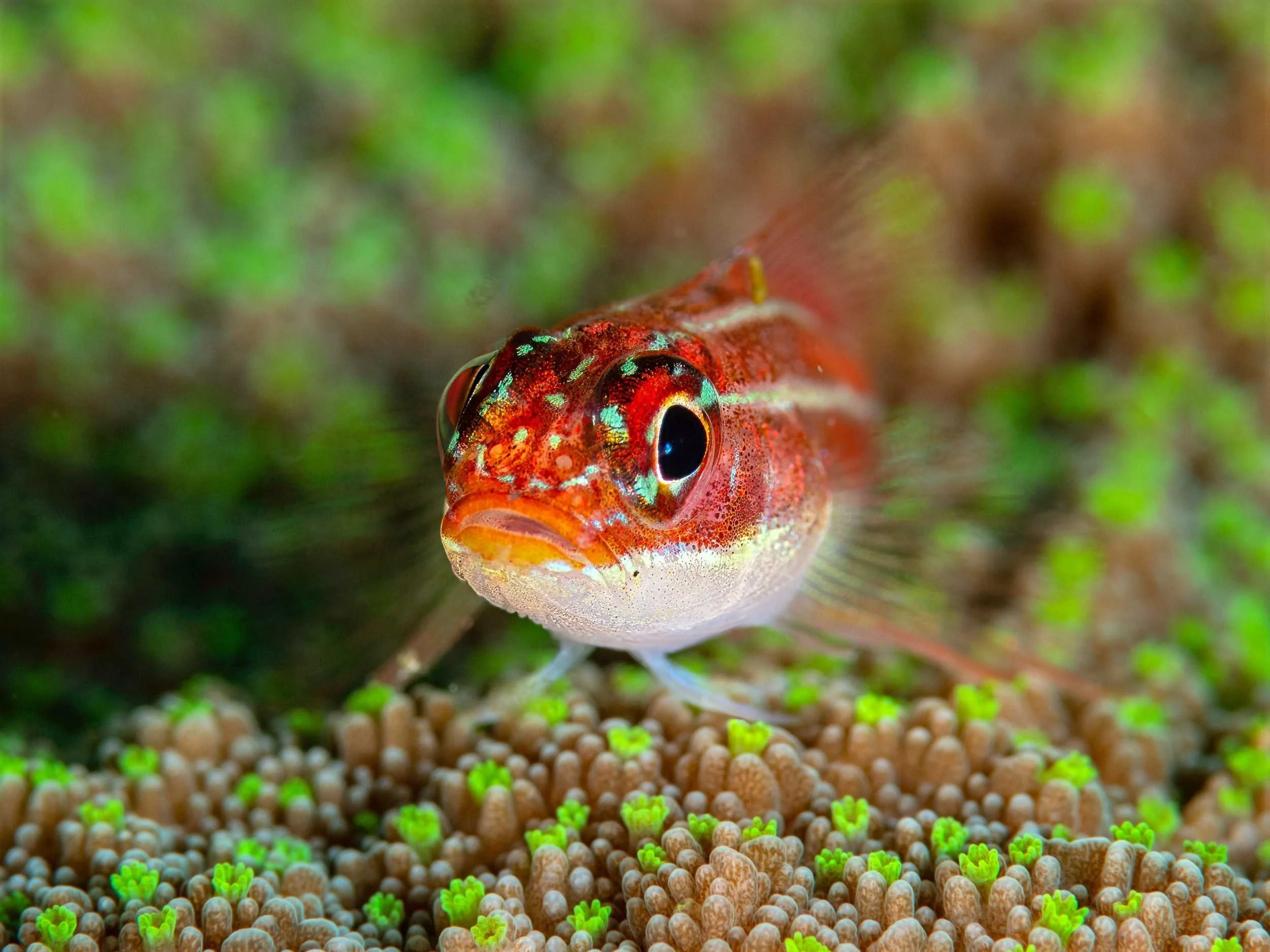
Coral reefs are increasingly shaped by the interacting effects of climate change and intensifying human pressures. Our research examines how these forces alter reef organisms, communities, and ecological processes across a diverse range of environmental settings, from relatively undisturbed reefs to extreme, degraded, and highly urbanized systems. We are particularly interested in understanding how environmental stressors such as ocean warming, marine heatwaves, pollution, sedimentation, and other chronic disturbances influence coral reef structure, function, and resilience.
By comparing responses across contrasting reef environments, we aim to identify the traits, processes, and ecological conditions that allow some organisms and communities to persist while others decline or reorganize. Ultimately, our work seeks to improve predictions of how coral reefs will respond to continued environmental change and to identify opportunities to support their persistence, recovery, and resilience in a rapidly changing ocean.
Solutions for Coral Reef Ecosystems
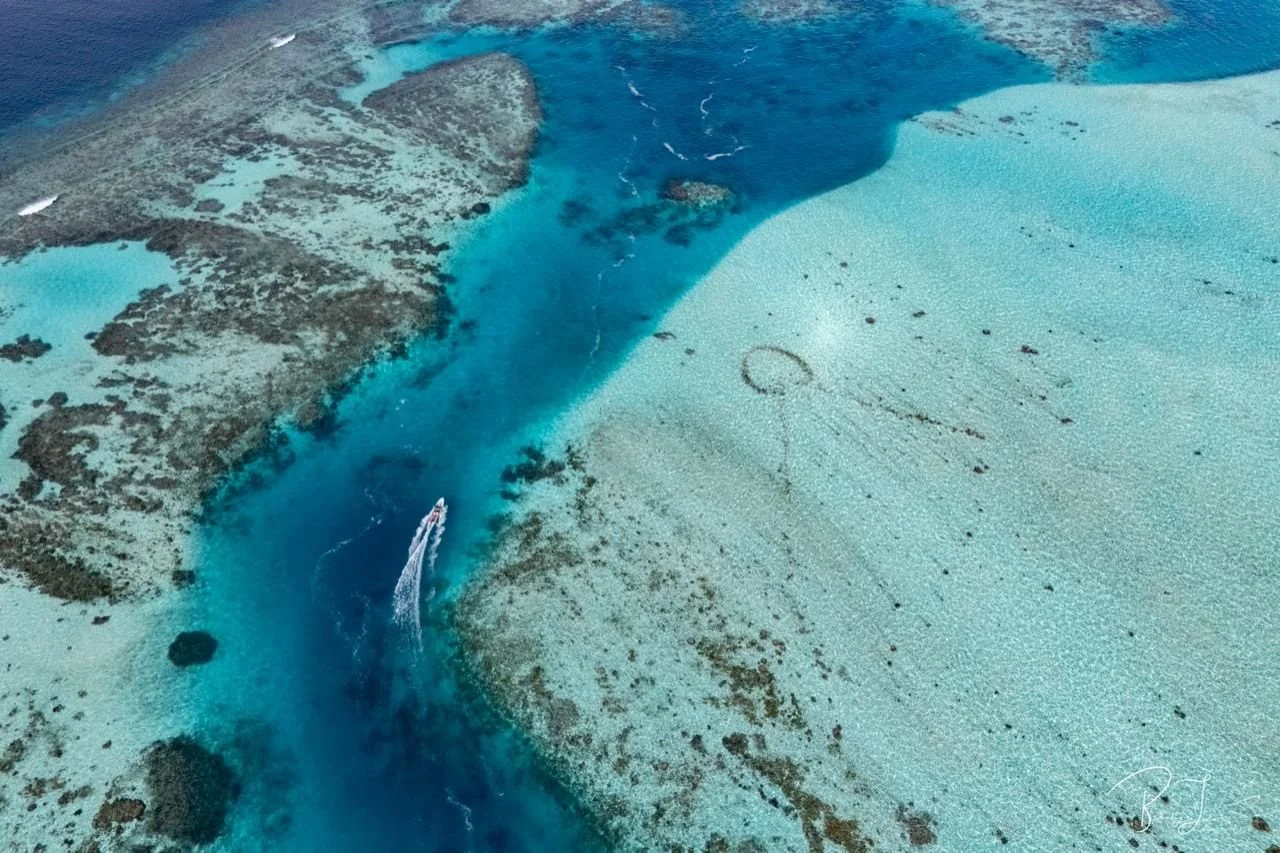
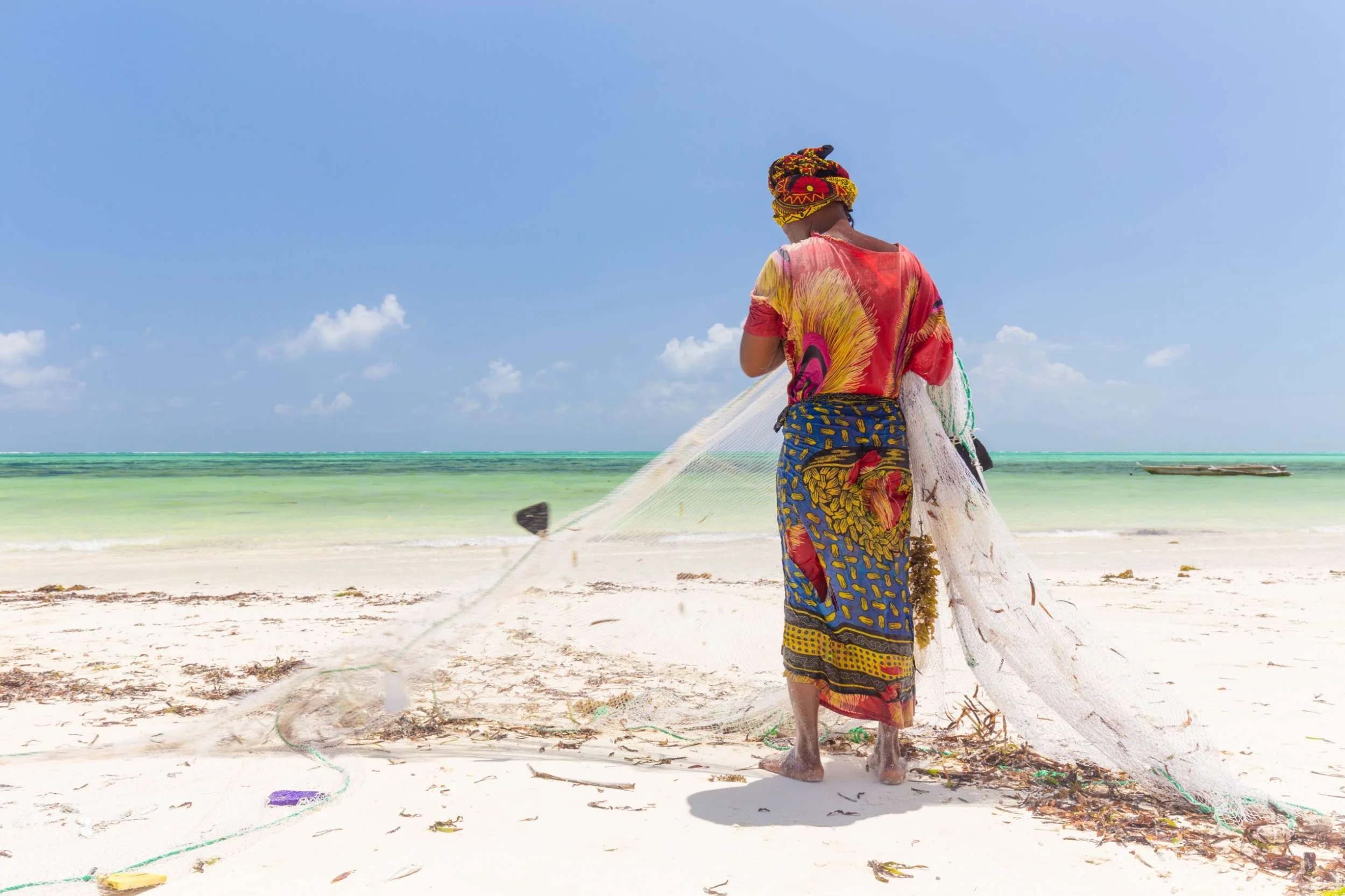
Our research develops practical solutions to sustain coral reefs and the communities that depend on them. Working within our group and with collaborators from social science and economics, we examine how human activities, management decisions, and environmental change interact to shape reef condition and resource use. Working with coastal communities and reef managers, we combine ecological research, local knowledge, and community priorities to design and evaluate approaches to reef conservation, fisheries, and coastal management.
We are particularly interested in strategies that protect ecosystem function while supporting sustainable resource use and community well-being. By evaluating ecological outcomes, management trade-offs, and local feasibility, we aim to translate research into actions that are effective, socially appropriate, and responsive to local conditions, recognizing people as essential partners in sustaining coral reefs.